Do You Know How Many Calories Your Favorite Summer Drinks Have?
Summer’s here, we are forever thirsty, and we need to drink – a lot!
There’s a lot of buzz around sticking to Indian, homemade cool drinks instead of the packaged, bottled fizzy stuff. After all, who wants to eat up unhealthy preservatives, sweeteners and of course, humongous calories? Plus, we have a long enough repertoire of local, extremely delicious drinks to choose from, which help the body stock up on essential vitamins and minerals – besides preventing dehydration.
But there’s a caveat: while these sweet, refreshing drinks are usually extremely healthy, they often add up a lot of liquid calories.
After all, these drinks, however healthy and good for us, are not plain water. So it’ll help to exercise some caution and keep an eye on the calorie meter as we sip their goodness.
Sattu Sherbet
Usually had sweet, some people skip the jaggery and make it savoury instead. (Photo Courtesy: www.sailusfood.com)
This is our own indigenous substitute for whey protein shake, and a far better one than that. It delivers wholesome protein, and is good for the gut too. Usually had sweet, some people skip the jaggery and make it savoury instead by adding black salt and roasted cumin powder.
Calorie Meter: 210 calories per glass (savoury); 270 calories per glass (sweet)
This indigenous berry is one of the best known natural coolants for our body. (Photo Courtesy: expertindianrecipes.in)
This indigenous berry is not just one of the best known natural coolants for our body, it also enhances our immune function, keeps the stomach sorted, keeps constipation away, and is a known anti-carcinogenic agent.
Calorie Meter: 75 calories per glass
Watermelon Juice
Watermelon juice is sweet in itself so doesn’t need any additional sugar/jaggery.(Photo: iStock)
Loaded with antioxidants and potassium (helps keep the blood pressure down) watermelon juice is sweet in itself so doesn't need any additional sugar/jaggery.
Calorie Meter: 80 calories per glass
Rose Milk
A refreshing glass, this delivers the benefits of dairy. (Photo: iStock)
A refreshing glass, this delivers the benefits of dairy (protein and calcium) and instant energy; plus, rose is an analgesic, bronchodilator, and also anti-inflammatory.
Calorie Meter: 180 calories per glass
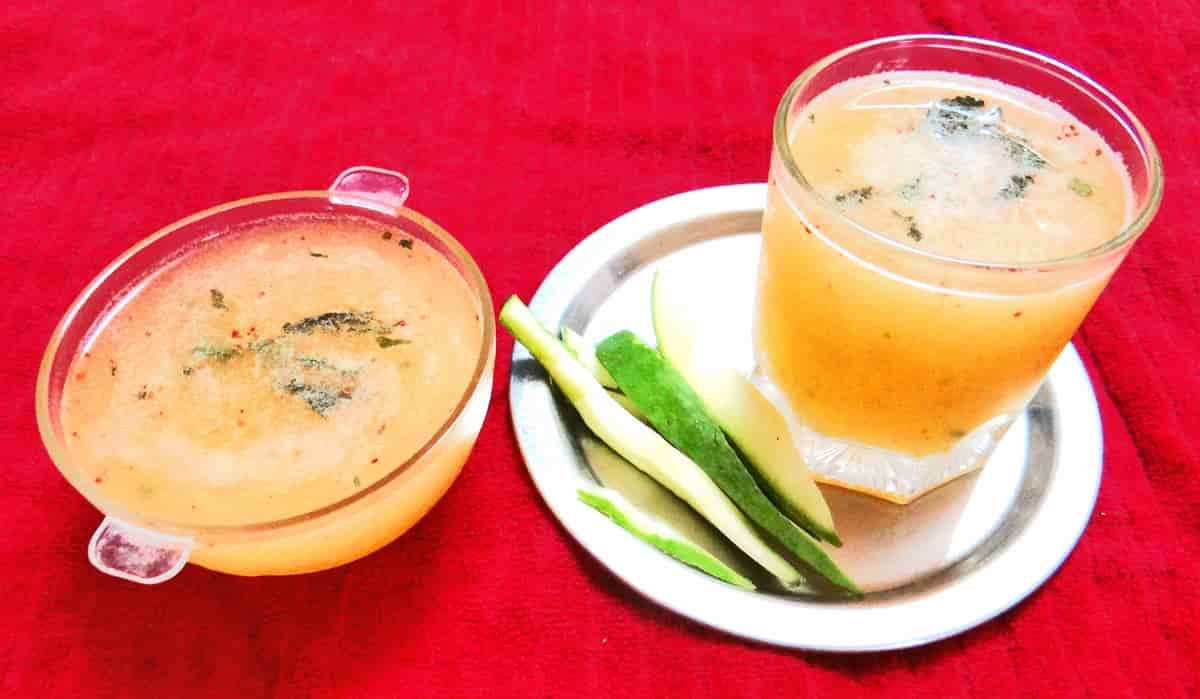
Aam Panna
This khatta meetha drink made from unripe mangoes helps protect from sun stroke.(Photo: iStock)
This khatta meetha drink made from unripe mangoes helps protect from sun stroke, and prevents the loss of sodium chloride (salt) and iron from the body.
Calorie Meter: 100 calories per glass
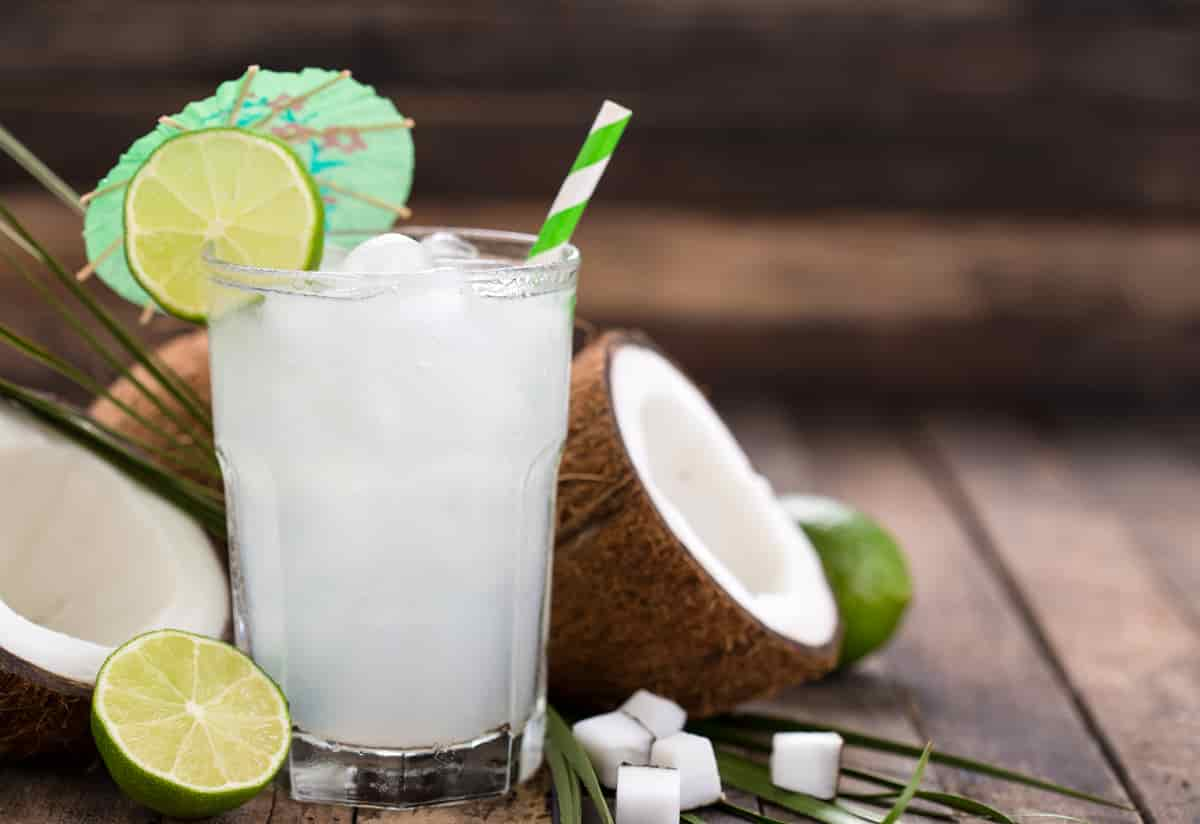
Vasantha Neer
This is made with coconut water, a little honey and a dash of lime. (Photo: iStock)
Made with coconut water, a little honey and a dash of lime, this traditional drink is instantly hydrating and delivers ample amount to electrolytes lost during summer days.
Calorie Meter: 50 calories per glass
Jaljeera
This tangy drink boosts digestion, prevents anaemia, relieves an upset stomach and helps treat nausea and giddiness. (Photo: iStock)
This tangy drink boosts digestion, prevents anaemia, relieves an upset stomach and helps treat nausea and giddiness.
Calorie Meter: 10-20 calories per glass
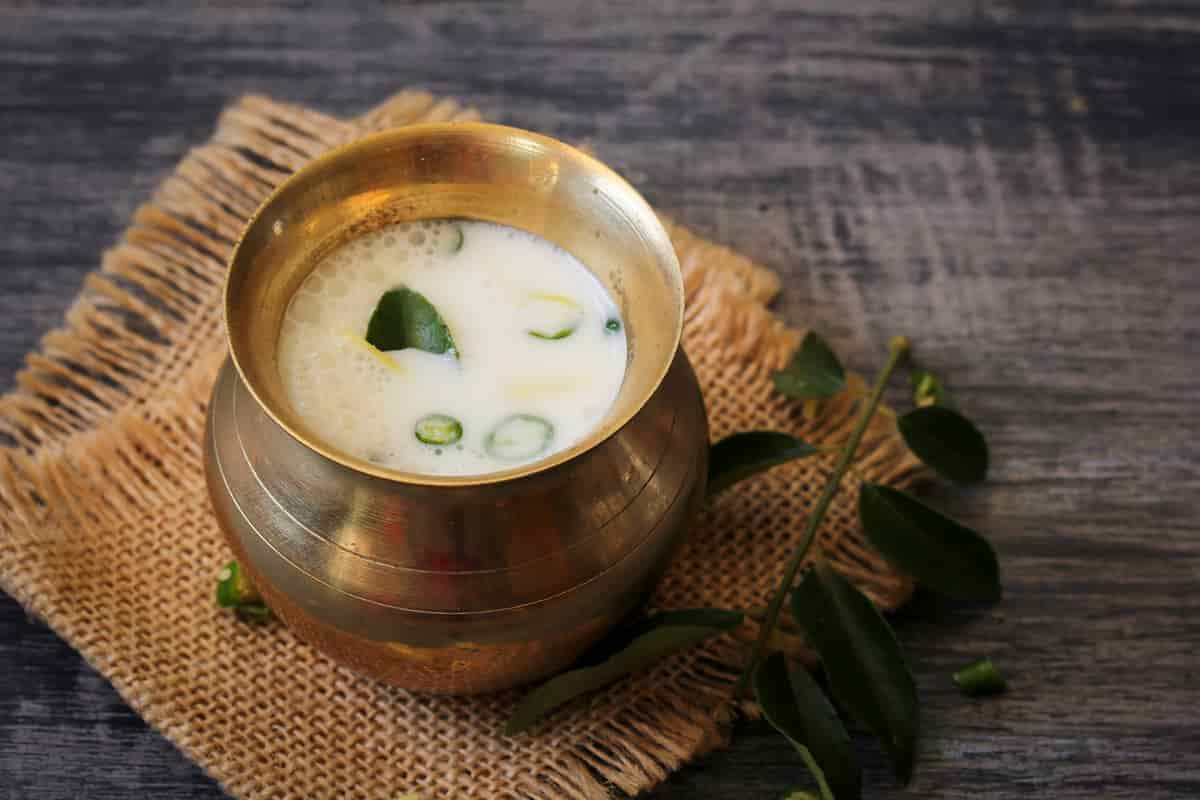
Chaach
This is loaded with the cooling properties and the probiotic goodness of yoghurt.(Photo: iStock)
Loaded with the cooling properties and the probiotic goodness of yoghurt, this is a rehydrating drink with fabulous digestive properties.
Calorie Meter: 80 calories per glass; sweet lassi will deliver 140 calories
Bael Sherbet
Besides being cooling, bael (wood apple) helps boosts the immune system and fights off bacterial and viral infections. (Photo Courtesy: lemoninginger.com)
Besides being cooling, bael (wood apple) helps boosts the immune system, fights off bacterial and viral infections, reduces inflammation and prevents and cures constipation.
Calorie Meter: 110 calories per glass
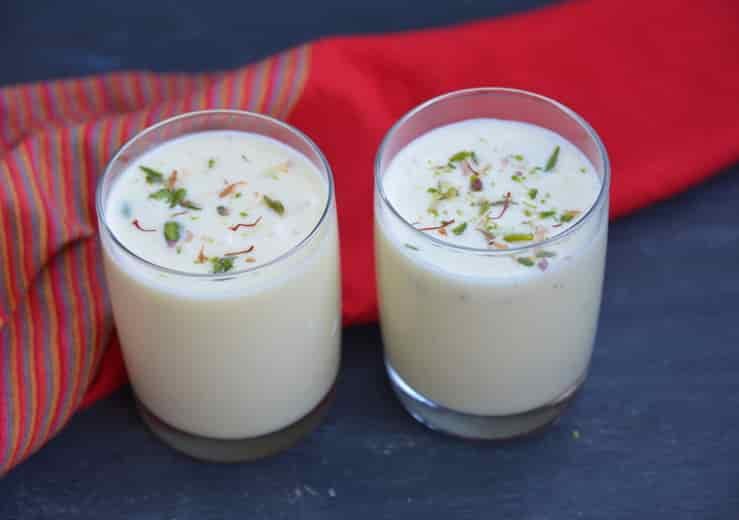
Thandai
This is an intrinsically cooling drink which rehydrates instantly. (Photo Courtesy: Wikimedia Commons)
This is an intrinsically cooling drink which rehydrates instantly and its medley of ingredients (milk, watermelon seeds, almonds, rose petals and saffron) deliver a powerhouse health kick. It’s a great immune booster and detoxifier.
Calorie Meter: 210 calories per glass
Shikanji
It is a brilliant source of immunity-boosting vitamin C. (Photo: iStock)
This simple yet effective beverage is possibly the most popular summer cooler across India – and why not? It is a fabulous detox and a brilliant source of immunity-boosting vitamin C.
Piyush is soothing, refreshing, protein rich, yet completely decadent. (Photo Courtesy: mapsofindia.com)
A popular Maharashtian summer drink, Piyush is soothing, refreshing, protein rich, yet completely decadent, as it is made by combining shrikhand, buttermilk and myriad dry fruits.
Calorie Meter: above 500 calories per glass
Note: All calorie counts are approximate and can vary
Say Yes to More Sun, Less Sunscreen to Fight Vitamin D Deficiency
As we go away from the equator, the sun gets weaker and the fight for Vitamin D in the human body gets more and more intense. Add to it the constant reminders to always be lathered in sunscreen and it gets worse. While you’re advised to wear sunscreen always to fight ageing, allergies and reduce the chances of skin cancer, where does it leave you in terms of your Vitamin D needs?
Now, there is no dietary source of the vitamin and sunlight is where we get it from. So, how do we balance it all out - protection from the sun while also getting its benefits?
Dr Gurinder Bedi, Director, Orthopedic and Spine Surgery at Fortis Vasant Kunj, emphasises on this predicament and adds:
No doubt absorption of Vitamin D is less in dark skinned people as compared to fairer skinned ones. Consequently, people in the Indian subcontinent are more likely to face problems of Vitamin D deficiency. Damage of the sun on fair skin is also more which is why applying sunscreen is a big thing in the West.
Doctors recommend a daily, direct exposure to sunlight for 15-30 minutes.(Photo: iStockphoto)
Dr Monica Mahajan, Director, Department of Internal Medicine, Max Hospital, New Delhi, points out that the daily recommended intake of Vitamin D is 600 to 800 International Unit (IU) per day for an average adult. Both doctors recommend a daily, direct exposure to sunlight for 15-30 minutes.
It’s important to take direct, overhead sunlight. The recommended hours for this are 10-12 o’clock. Take it every day without interruption because the process of absorption after it’s been set in motion will take few minutes to be completed. The exposure should also be direct and uninterrupted by umbrellas or covering clothing.
“It’s ideal to get sun exposure in the morning or evening on a sunny day. Increase your frequency of sun exposure and take supplements. It’s also important to not take a shower immediately after sun exposure since Vitamin D synthesis is still continuing on the surface of the skin.”
As mentioned previously, the requirement for Vitamin D cannot be met with the diet. The sunlight, thus, needs backing in the form of supplements if you are deficient. However, it’s imperative to get yourself tested for the deficiency and then proceed only under the guidance of a doctor.
About 15-20 percent of the requirement can be taken care of by medical supplements, but the remaining 80 percent can be taken care of only by sunlight.
Thus, it’s important, the doctors emphasise, to not be overzealous about wearing sunscreens. Yes, they should be applied when stepping out, but it’s important to ensure your daily exposure to sunlight is being taken care of.
It’s important, the doctors emphasise, to not be overzealous about wearing sunscreens.(Photo: iStockphoto)
Excess sun exposure does not result in a very high incidence of skin cancer and the benefits of vitamin D far outweigh the risks involved.
The muscle ache might be diffused, not localised to a particular point in the body, says Dr Bedi. In addition to this, there might be weakness, fatigue and irritability.
It’s also important to take especial care of the growing body (children under the age of seven-eight) and the ageing body (those above the age of 60).
Dr Mahajan sums it up in the following manner:
The amount of vitamin D absorption varies from person to person. It would depend upon the amount of skin exposed to the sun, how fair or dark the skin is, the altitude at which we live and how far we are from the equator. Obesity, malabsorption, poor dietary intake of milk products and poultry worsen the situation.The absorption also significantly reduces with age.
Vitamin D also has a role in cardiovascular health and immunity and deficiency makes us more prone to heart problems.(Photo: iStockphoto)
The vitamin has multiple roles to play when it comes to targeting several problems of the body.
Vitamin D also has a role in cardiovascular health and immunity and deficiency makes us more prone to heart problems. There is a very high incidence of rickets, osteomalacia and osteoporosis in our country.
The bottomline is to ensure regular sun exposure, but also protecting yourself from excess exposure, especially in the summer months. Additionally, it’s imperative to get yourself tested first before making any significant changes to your lifestyle.